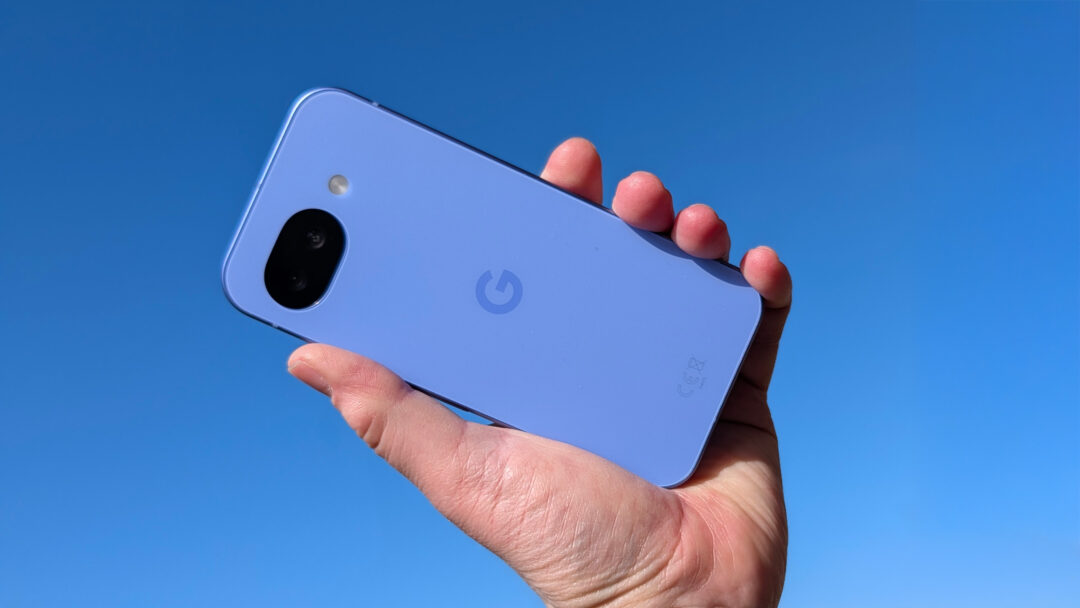

It has become a established tradition for Google to launch an ‘a’ model midway through a product generation, designed to bridge the gap between the expensive flagship models and price-conscious consumers. In previous years, the main difference between the ‘a’ models and the ‘full’ versions has been a slightly cheaper camera setup.
But this year, things have taken a different turn. Whilst the larger Pixel 10 models have moved on to the new and significantly more powerful Tensor G5 chip, Google has chosen to let the Pixel 10a carry on with last year’s engine: the Tensor G4. It’s a bit like buying a brand-new car model, only to discover that the engine is the same as in last year’s model.
Solid and stylish design
Visually, Google is sticking to the style they introduced with the predecessor. The distinctive camera bump, which previously protruded significantly from the body, is reserved for the ‘big’ models. On the A-series models, the back is completely flat, meaning the phone doesn’t wobble on the table every time you touch the screen. This makes the phone significantly more pocket-friendly and gives it a streamlined look. As a new stylish detail, the frame is now made of aluminium with a satin finish that feels surprisingly luxurious for a budget phone.
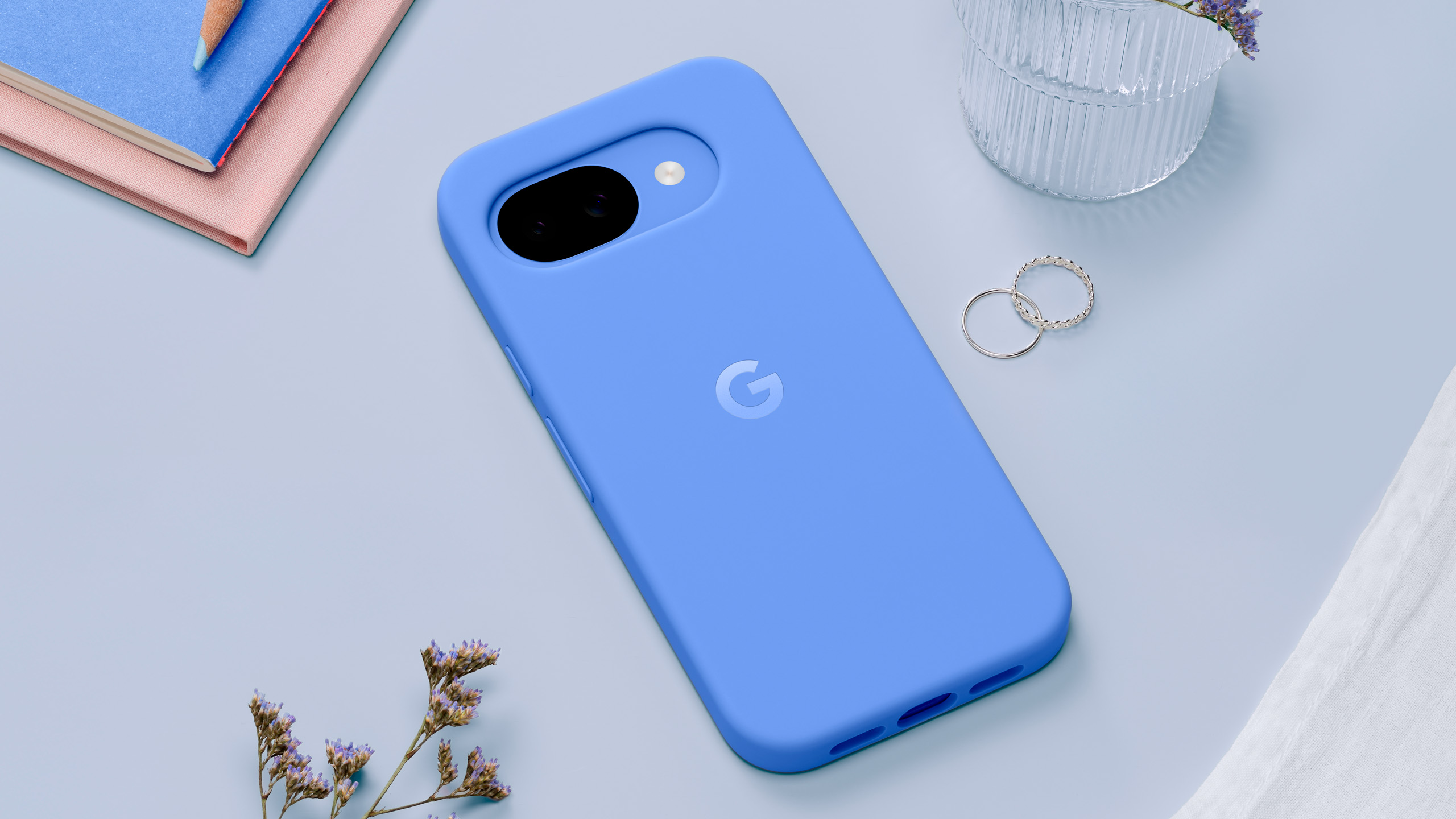
In addition to the reinforced frame, durability has been significantly improved. The screen is now protected by Gorilla Glass 7, which is a major improvement on its predecessor’s somewhat outdated Gorilla Glass 3. With an IP68 rating, it is also as water- and dust-resistant as one could possibly expect in this price range.
The display: A little more brightness for daylight hours
The display remains a 6.3-inch Actua screen with a variable refresh rate of up to 120 Hz. Google points out that it is now 11 per cent brighter than on the Pixel 9a (2,000 nits instead of 1,800 nits). That sounds impressive in the press material, but in the real world it’s an improvement you’d need laboratory equipment to detect. Still, it’s progress nonetheless.
More power than last year? Forget it.
When we look at the raw performance tests, we have to admit that no progress has been made in the engine room. There are minor variations here and there – some results faster, others slower – but all fall within the margin of statistical uncertainty. We could have got the same results if we’d repeated the tests on last year’s model.
The Pixel 10a, for example, scores 3,888 in Geekbench 6, which is marginally lower than the 3,967 we measured on the Pixel 9a last year. So the conclusion is clear: there is absolutely no increase in raw processing power.
If we compare it with other Pixel 10 models, such as the Pixel 10 Pro Fold, the difference is striking. The Fold model, equipped with the new Tensor G5, races ahead with a multi-core score of over 5,800. That’s an increase in raw power of around 50 per cent. Of course, no one buys a mobile that costs four times as much because of such a small difference in performance. But the same G5 processor is found in the Google Pixel 10, which costs half the price of the fold model. And which will likely drop in price in the coming months, whilst we wait for the Pixel 11.
This year, Google has thus created a technological gap between budget and luxury. For the first time, you’re buying a new Pixel that’s a whole generation behind in terms of performance from day one.
Camera and AI magic
Hardware-wise, the camera section is reused, featuring a 48-megapixel main sensor and a 13-megapixel ultra-wide-angle lens.
One of the most useful features of this setup is the macro mode for super-close-up shots, which makes use of the ultra-wide-angle lens. The focal lengths of the main lens remain unchanged, and you’ll have to do without the dedicated telephoto lens found on the Pro models. The AI-based superzoom can extend up to 8x digital zoom, and although it doesn’t replace a true periscope lens, the images are surprisingly usable.
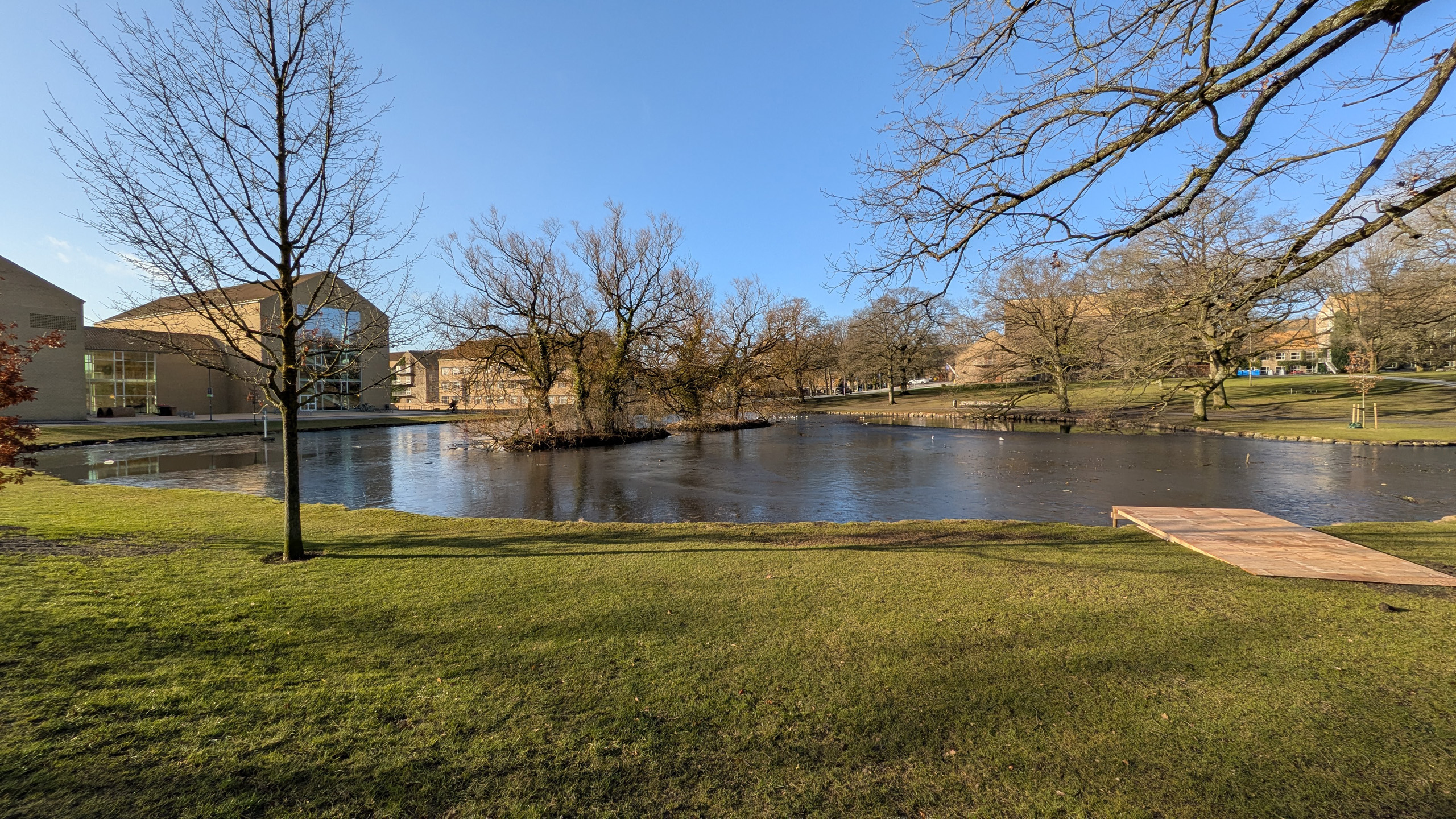




Although the camera system is still excellent value for money, the only real innovation lies in the software. Here we get new AI tools such as Camera Coach, which uses Gemini models to guide you towards better compositions, and Auto Best Take, which automatically finds the shot where everyone looks their best in the group photo – and stitches it all together into a single image.
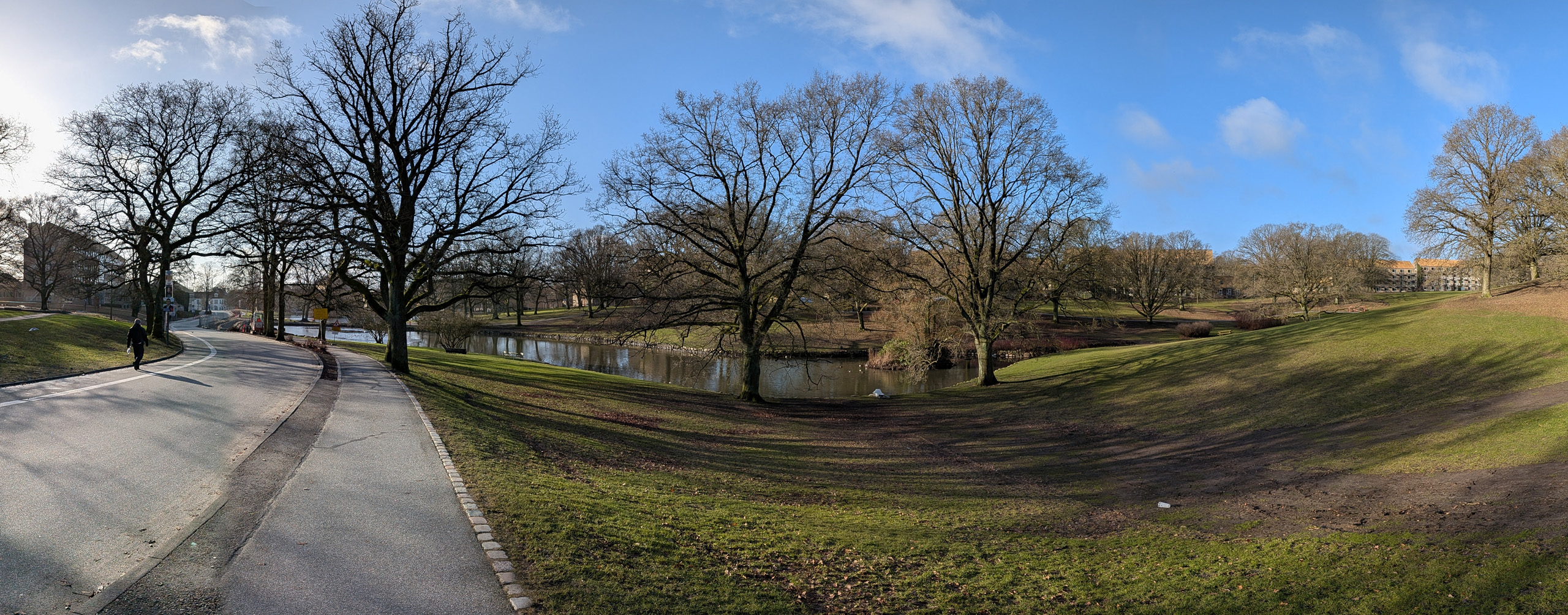
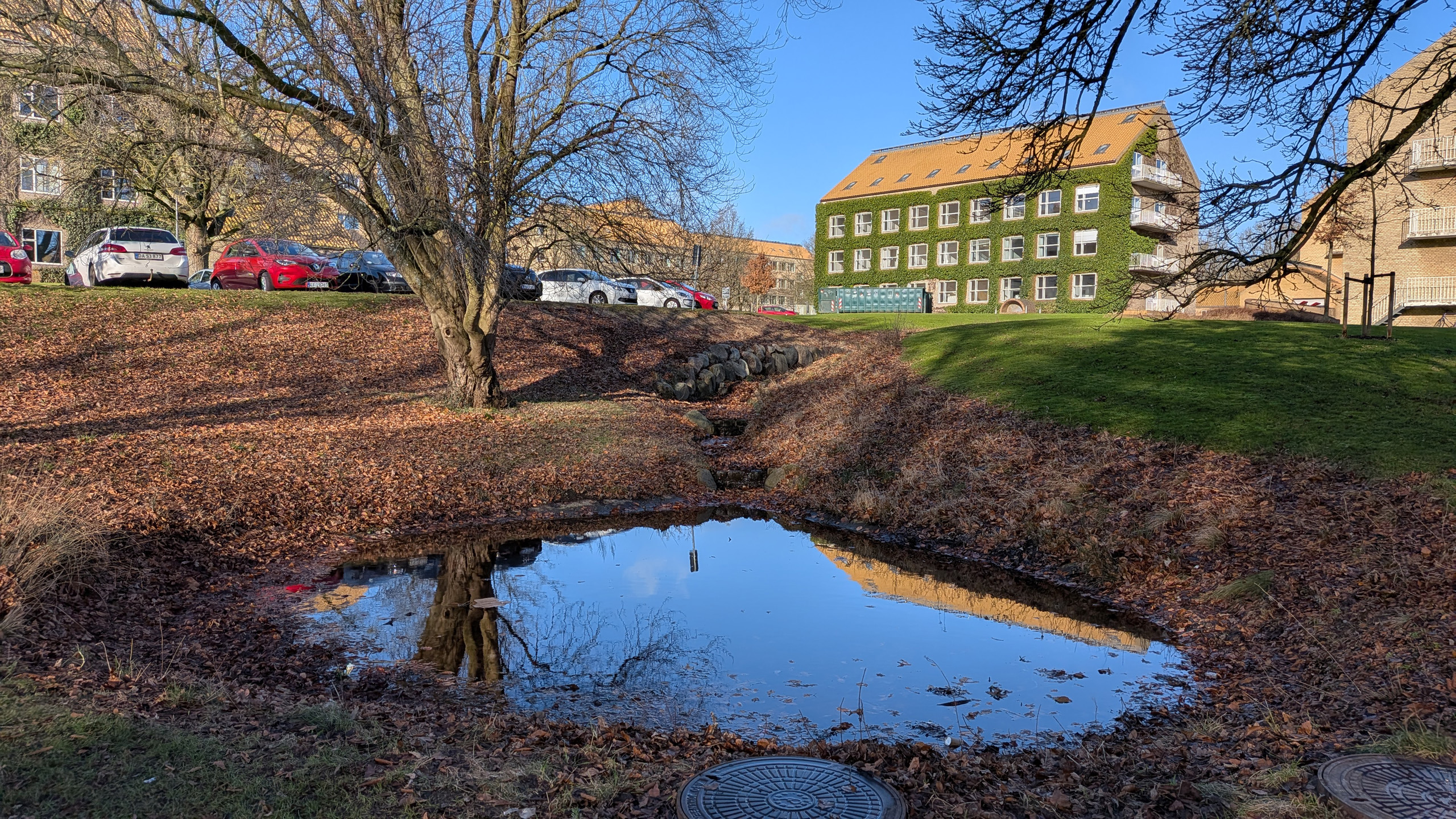

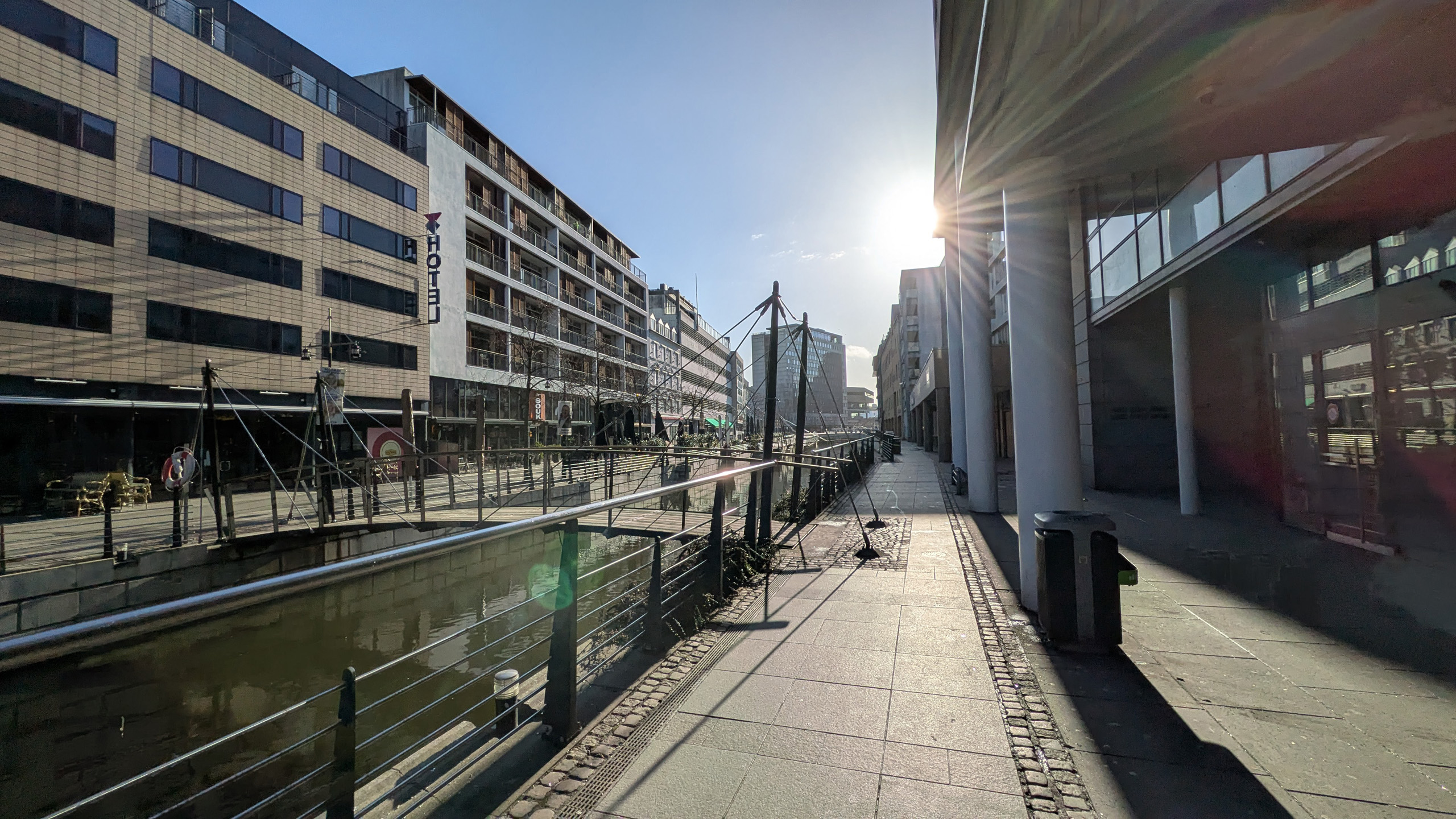

On the 9 series models, you can create the same kind of photo montage, but it doesn’t happen automatically. Unless Google decides at a later date to make the feature available in an update. The fact that it’s technically possible is, obviously, proven by the Pixel 10a.
A genuine and welcome new feature in the a-series is Satellite SOS, which we’ve previously only seen in the most expensive models. It provides extra security if you find yourself in areas with absolutely no mobile coverage.

New colours and old battery
The battery capacity remains at 5,100 mAh. In our stress test, the Pixel 10a lasted 8 hours and 23 minutes. This is significantly shorter than its predecessor’s 10 hours and 55 minutes. Although there is always some measurement uncertainty, this suggests that the brighter screen is taking its toll on the battery life. However, this does not change the fact that the phone easily handles a full day of intensive use.
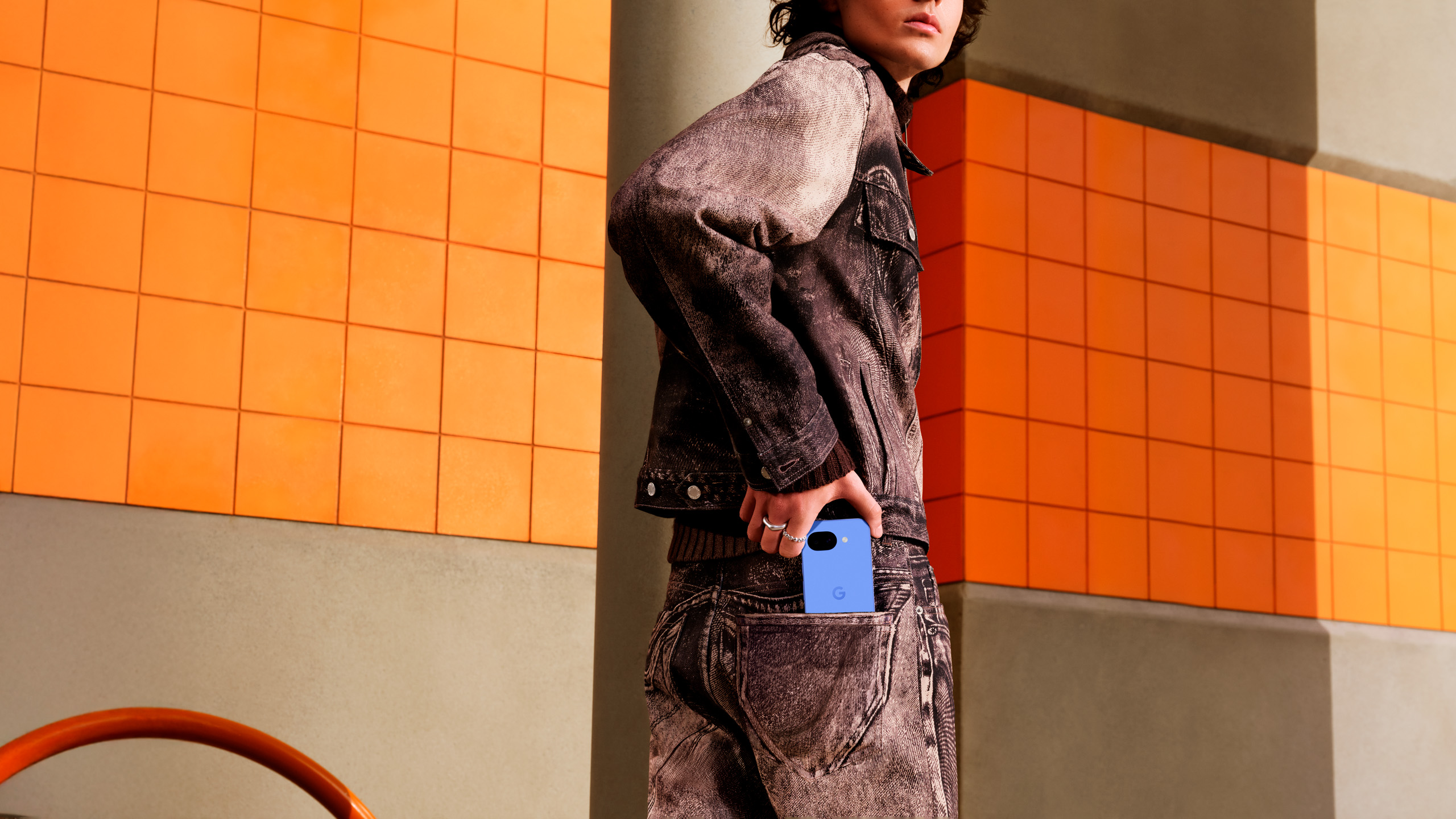
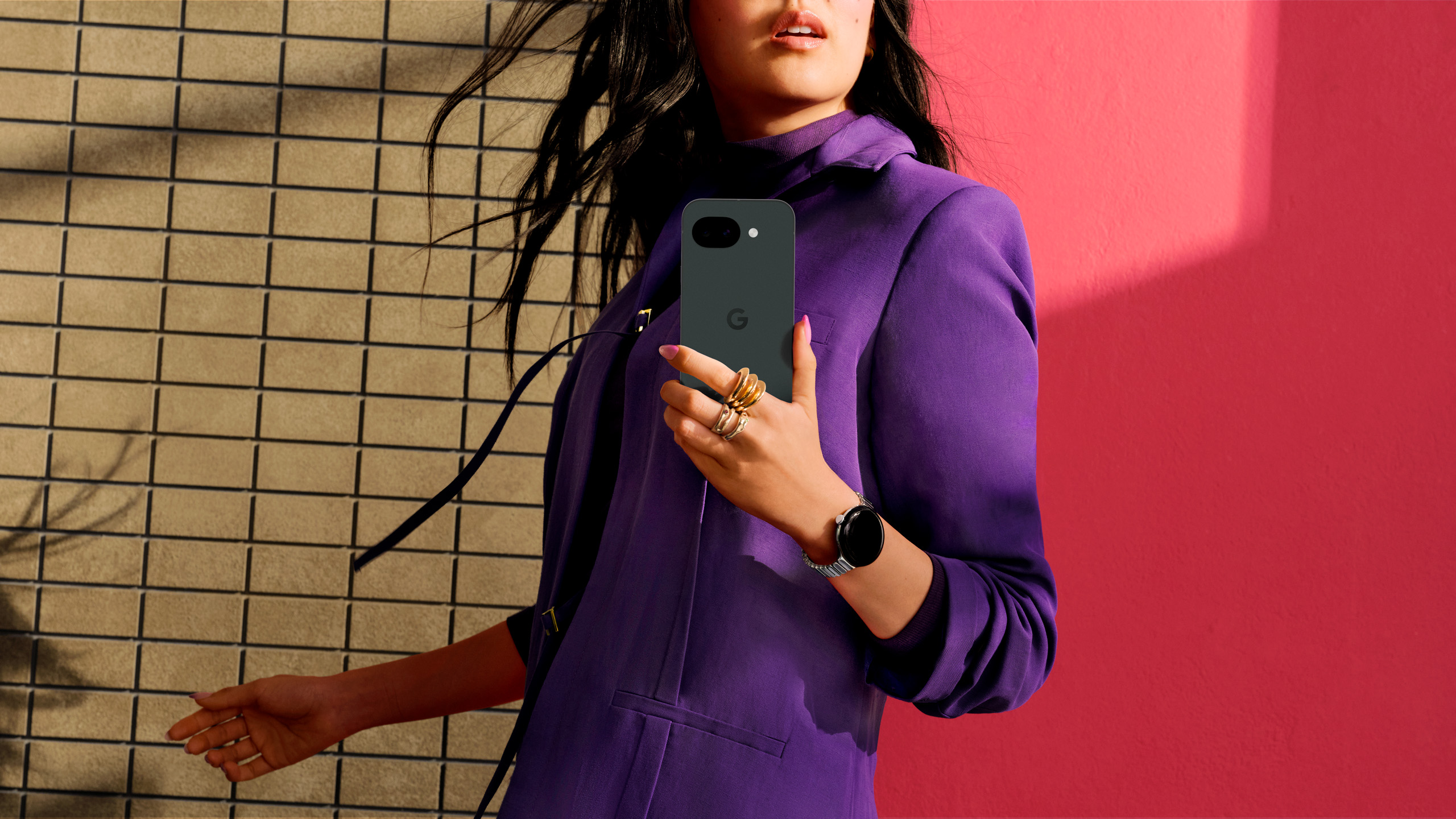
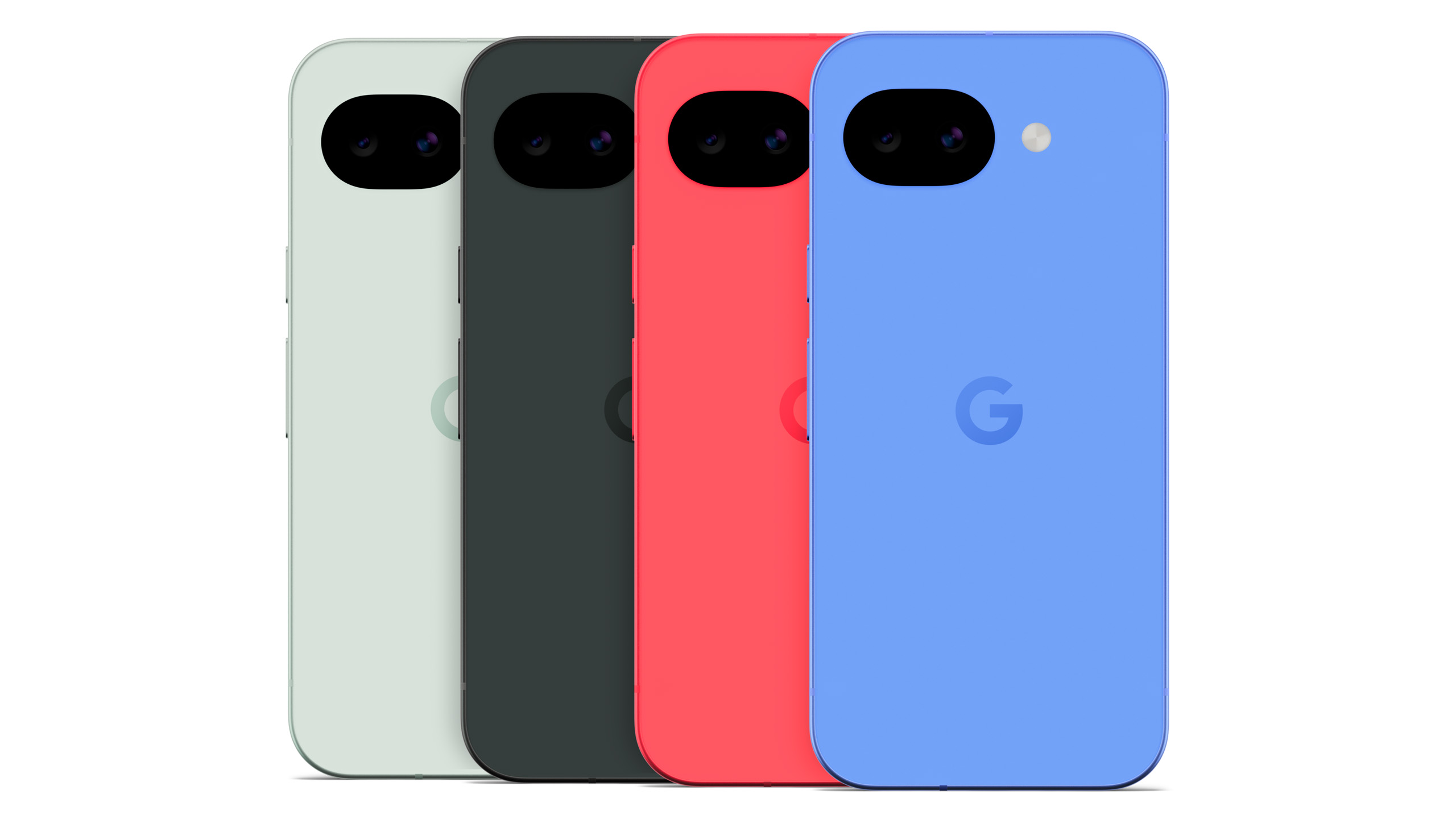
If you’d like to match your phone to your personality, it’s available in a fresh colour palette: Obsidian (black), Fog (grey-green), Berry (berry red) and Lavender (blue-purple).
Conclusion
The Google Pixel 10a is a rock-solid smartphone that stands out for its durability, stronger screen glass and Google’s software magic. It’s a shame, however, that the hardware wasn’t allowed to step into the new year alongside the rest of the family.
If you already own a Pixel 9a, there’s absolutely no technical reason to upgrade. But for those looking for a capable smartphone with seven years of guaranteed updates and a camera that punches above its weight, the Pixel 10a remains one of the most sensible buys on the market. We’ve awarded it a strong score, albeit lower than last year. Because even though the hardware is just as good as last year, the world around us hasn’t stood still.

549 €
Specifications
- Operating system: Android 16
- Updates: 7 major Android updates + 7 years of security updates
- Display: 6.3″ OLED Actua FHD+ (2,424 x 1,080 pixels) @120 Hz, 20:9 aspect ratio, 2,000 nits (up to 3,000 nits). Gorilla Glass 7i on the front
- Processor: 3.1 GHz Google Tensor G4, Titan M2 security coprocessor
- Memory: 8 GB RAM / 128 GB or 256 GB storage
- Main camera: 48 MP f/1.7 with autofocus, optical and electronic image stabilisation. 2x optical zoom. Digital Superzoom up to 8x.
- Ultra-wide/macro: 13 MP f/2.2
- Telephoto camera: No
- Selfie camera: 13 MP f/2.2 fixed-focus ultra-wide
- Water resistance/IP rating: IP68
- Connectivity: USB-C 3.2
- Wireless: 5G, Bluetooth 6.0, Wi-Fi 6E, NFC
- SIM card: Nano SIM + eSIM
- Audio: Stereo speakers, stereo recording, noise cancellation.
- Battery: 5,100 mAh, 30 W wired charging, 10 W wireless Qi charging. Charger not included.
- Colours: Obsidian (black), Fog (grey-green), Berry (berry red), Lavender (blue-purple)
- Dimensions / weight (WxHxD): 7.3 x 15.4 x 0.9 cm / 183 g
- Web: store.google.com
Benchmarks
- Geekbench 6: 1.640 (single-core) / 3.888 (multi-core)
- Geekbench 6 GPU: 8.498 (OpenCL)
- AnTuTu 11: 1.543.077
- AItutu 3: 108.394
- Basemark GPU (medium): 17.382
- 3DMark Steel Nomad Light: 1.063 (7,9 fps)
- 3DMark Wild Life Unlimited: 9.221 (55,2 fps)
- 3DMark Wild Life Extreme: 2.561 (18,5 fps)
- PCMark Work 3.0: 14.848
- Batteritest: 8:23 hours