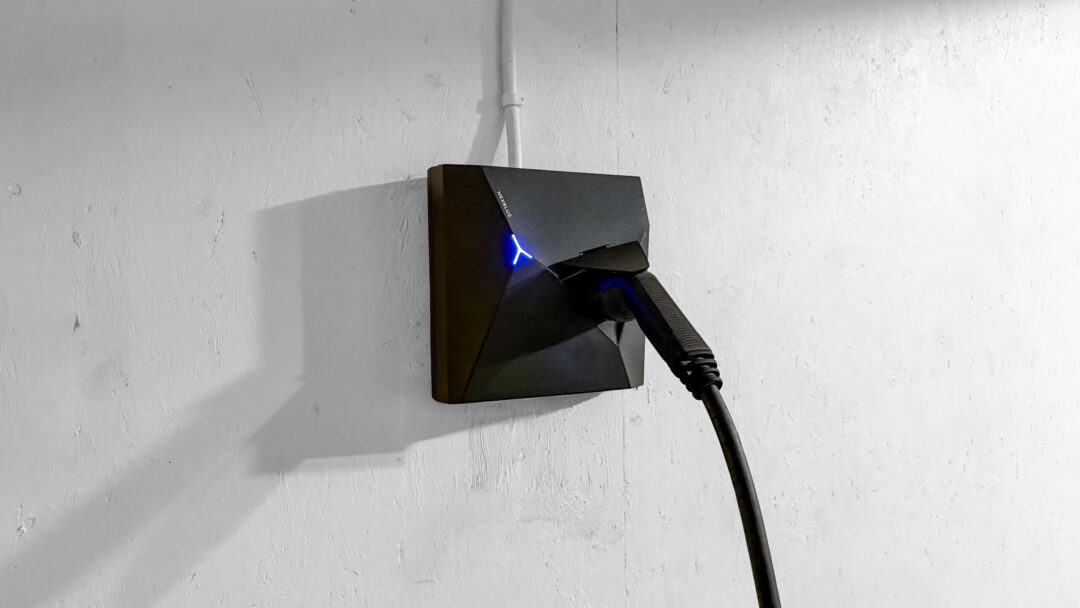

Imagine that electricity costs 50 cents per kilowatt hour at five in the afternoon, but only 2 cents at three in the morning. With a regular charger, you’d have to get up in the middle of the night to plug in your car. With NexBlue Edge 2, the car automatically charges itself when power is cheapest. As the technology matures, it can even sell the power back to the grid when the price rises again. In this way, the electric car becomes an energy buffer that works for your wallet while you sleep.
The Edge 2 is built for two-way power (V2G) from day one. Now we’re just waiting for the energy companies and car manufacturers to really open up the opportunity.
Smarter power management
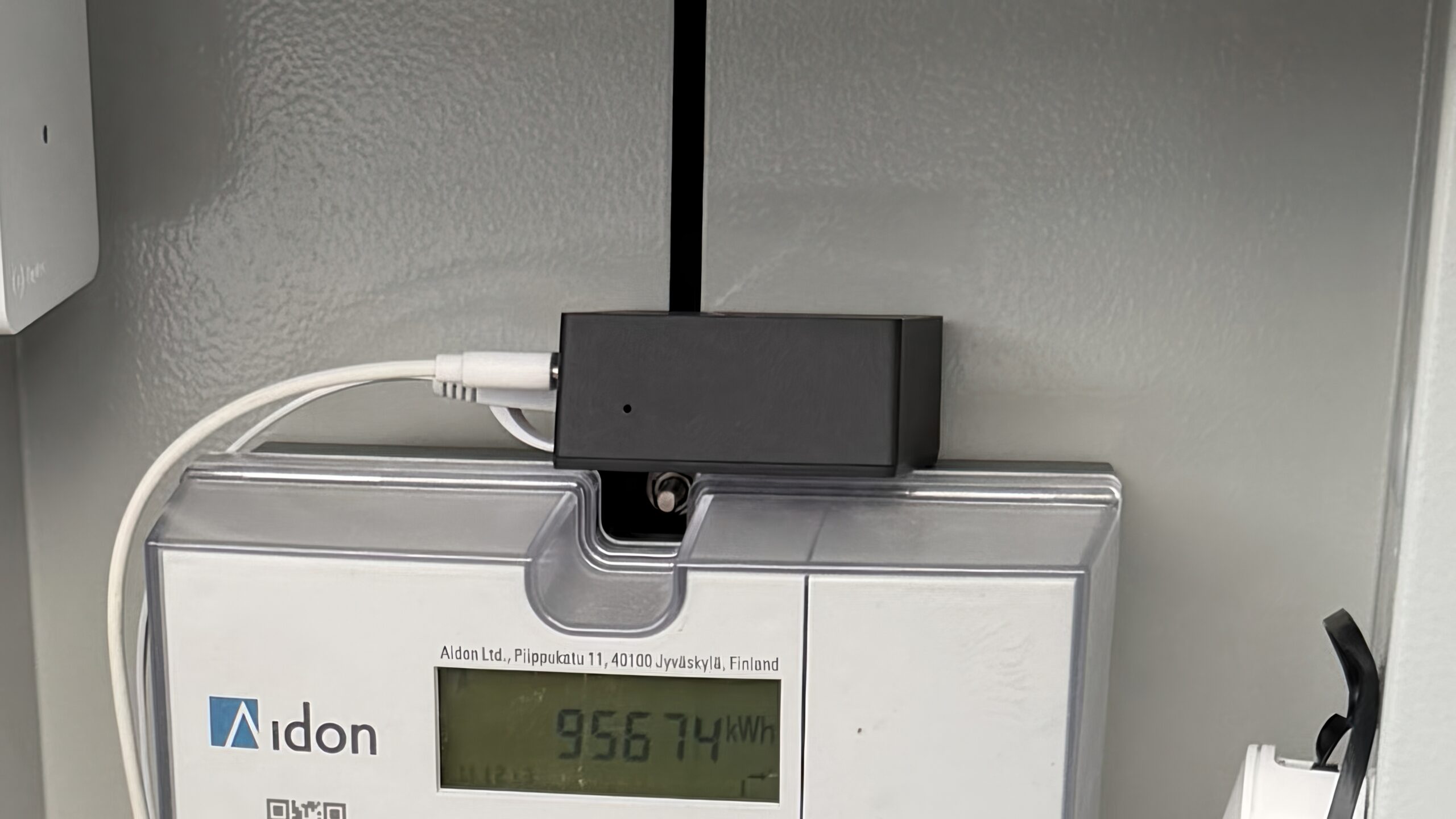
The really smart stuff happens when you pair Edge 2 with NexBlue Zen – a small box that connects to the meter’s data port (HAN/P1) and reads the house’s total consumption in real time. Zen costs around €160 and provides access to dynamic load balancing.
How Zen is connected depends on your meter. For some meters, Zen can be connected directly via the included KM cable when the HAN port is activated. If you have a newer meter with a P1 port, Zen can typically be plugged into the existing connector without additional equipment. In both cases, you need to enter the encryption code issued by your utility company in the myNexBlue app.
Once the system is set up, Zen keeps an eye on your main fuse and ensures that the charger automatically reduces power if other appliances in the house are using a lot of power. If you have two electric cars, Zen automatically distributes the power between them and the house to avoid overloading.
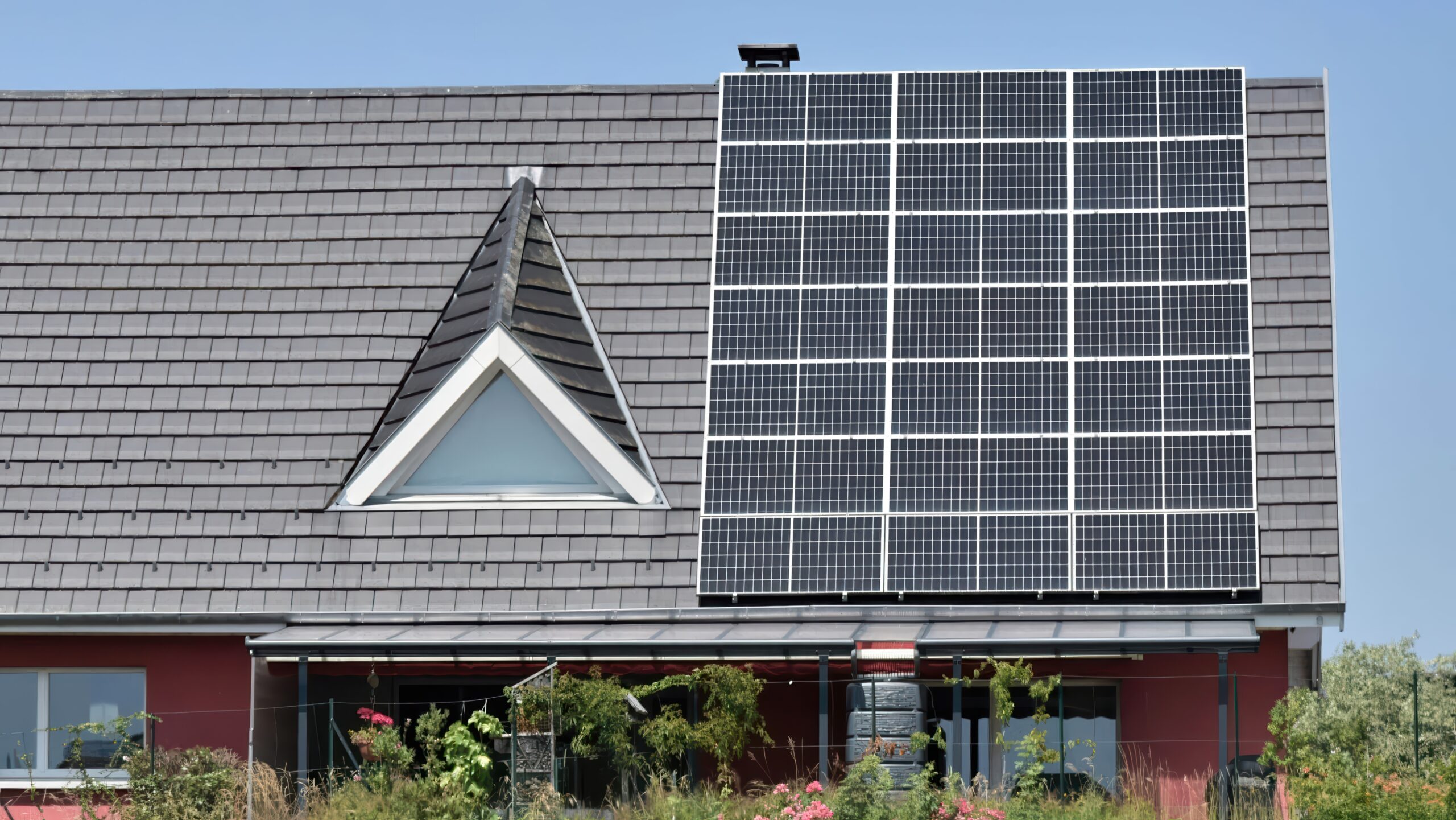
If you have solar panels, it gets even more interesting: Zen can use your excess power to charge your car, switching between one and three phases depending on production. This means you can charge your car with 100% self-generated power when the sun is shining.
The system supports up to five chargers per address with dynamic load balancing, making it ideal for homes, small businesses and housing associations. What’s more, load balancing works even if the internet goes down, thanks to NexBlue’s own Nexus RF wireless protocol.
First impressions
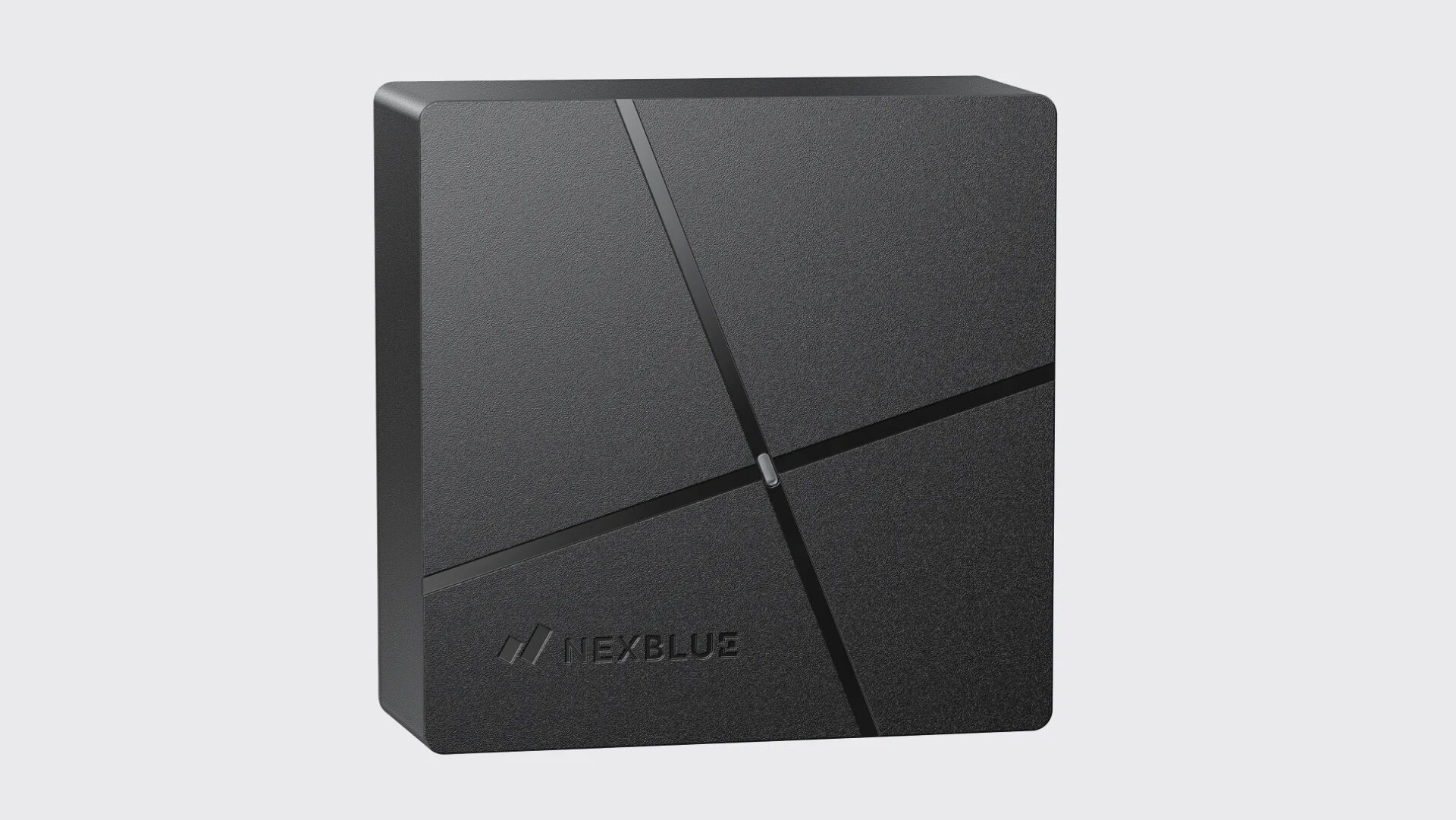
The Edge 2 is a sleek, black box weighing just 2.3 kilos. The design is angular and modern with a light bar that shows the charging status. Blue light means it’s charging, white means the car is fully charged and red indicates a fault.
The build quality feels solid. It has an IP54 rating against dust and water and an IK10 impact rating. It can withstand the Danish weather and a random ball throw from the kids. NexBlue offers a five-year warranty, which is confidence-inspiring for private individuals, owner associations and companies alike.
Installation
NexBlue boasts that installation takes less than four minutes. The separate backplate system allows the electrician to mount and connect the plate first and then simply click the charger into place. It’s smart grips that make the job easier.
In terms of price, Edge 2 is on par with the competition, but the installation is additional and often costs the same as the charger itself. The work should be carried out by an authorised electrician.
Charging capacity
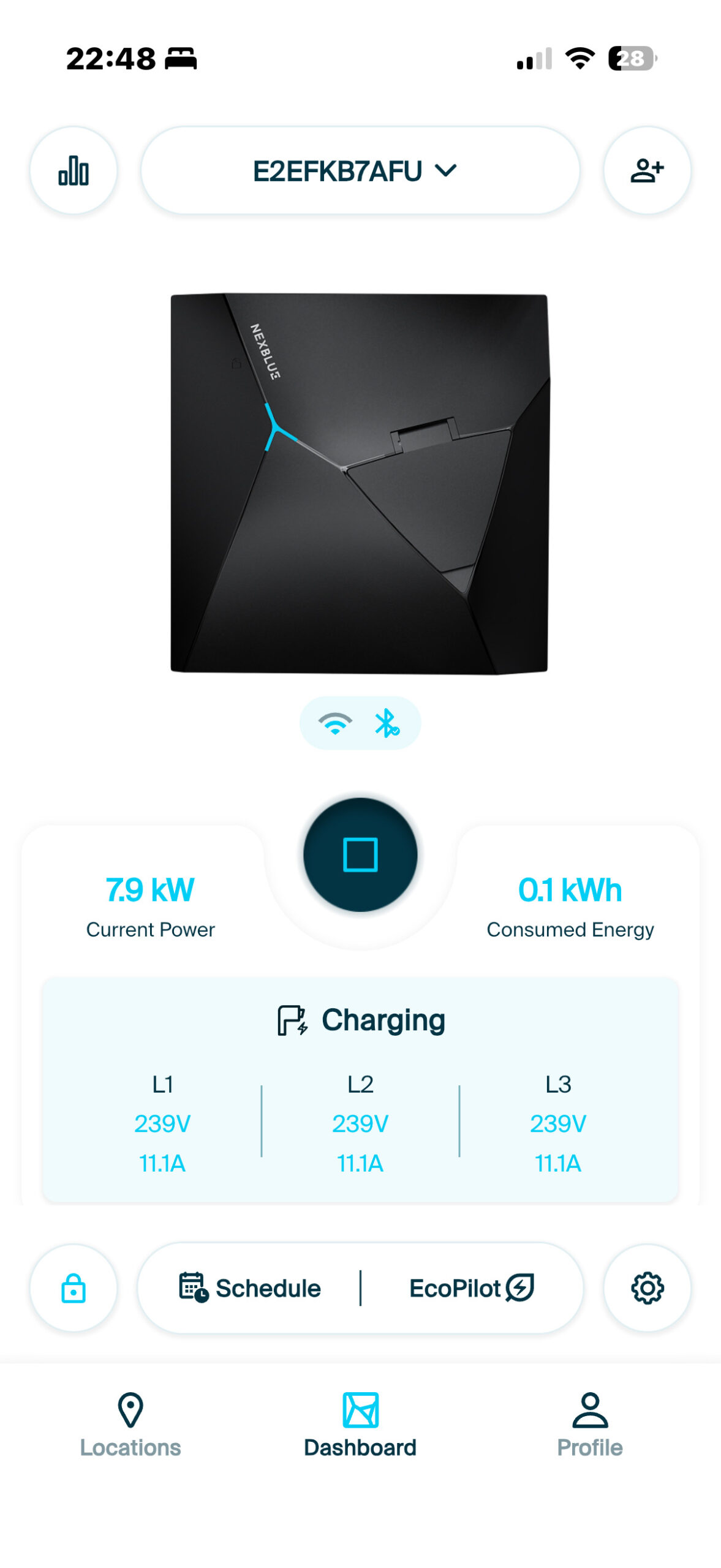
Edge 2 delivers up to 22 kW, which is the maximum you can get from a home charger. To utilise the full power, a 3-phase installation with 32 amps is required. The charger supports TN, IT and TT grids and automatically recognises the power system.
In practice, most electric cars charge with a maximum of 11 kW today, but it’s nice to have the capacity in the back of your hand for future cars.
Connectivity and app
Edge 2 can be connected via Wi-Fi, Ethernet or built-in 4G with eSIM. The fact that the charger is always online – even if the home network goes down – provides extra peace of mind.
Control is done in the myNexBlue app, where both the charger and the Zen module are managed. The partner app is only used by installers during setup, so as a private user you have everything in one place.
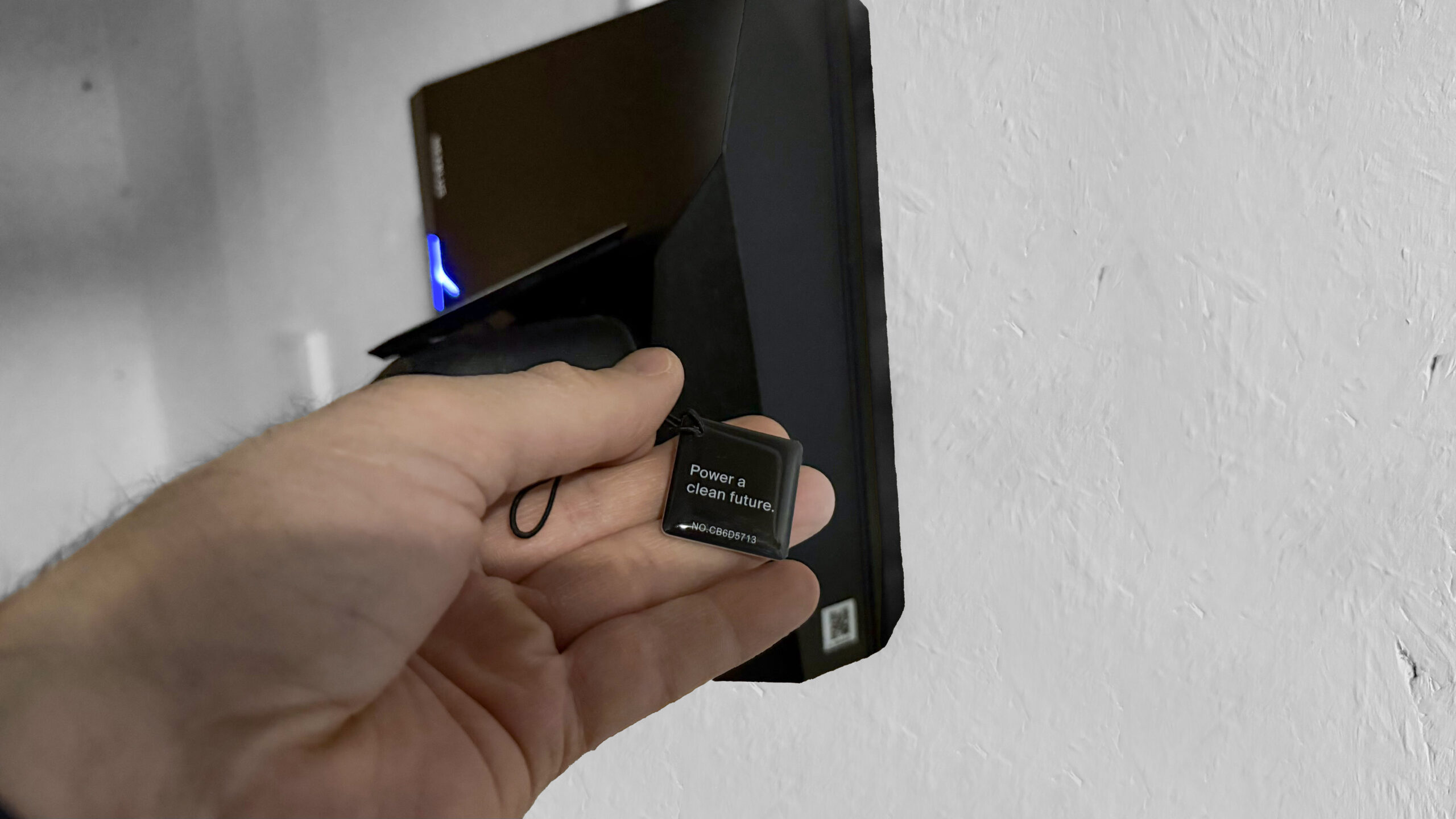
The app is easy to use and provides access to start/stop charging, statistics, locking the charging cable, RFID access and setting up EcoPilot, which automatically charges the car when power is cheapest.
However, if you are already using a power plan with “smart charging”, you need to choose one system to control the logic. Two systems trying to optimise at the same time can cause conflicts.
Future-proofed with V2G
What really sets the Edge 2 apart from the competition is its support for V2G (Vehicle-to-Grid). This means that the car can send power back to the grid. So far, only a few cars support this, but the technology is on its way. The idea is that you charge when power is cheap and sell it back when the price is high.
If you have solar cells, you can store the excess power in the car during the day and use it to power the house in the evening.
A question that is often asked is what this ‘back and forth charging’ does to the car battery. V2G will increase the number of charging cycles, but research suggests that well-managed and shallow cycles cause very little additional wear.
Stable in operation
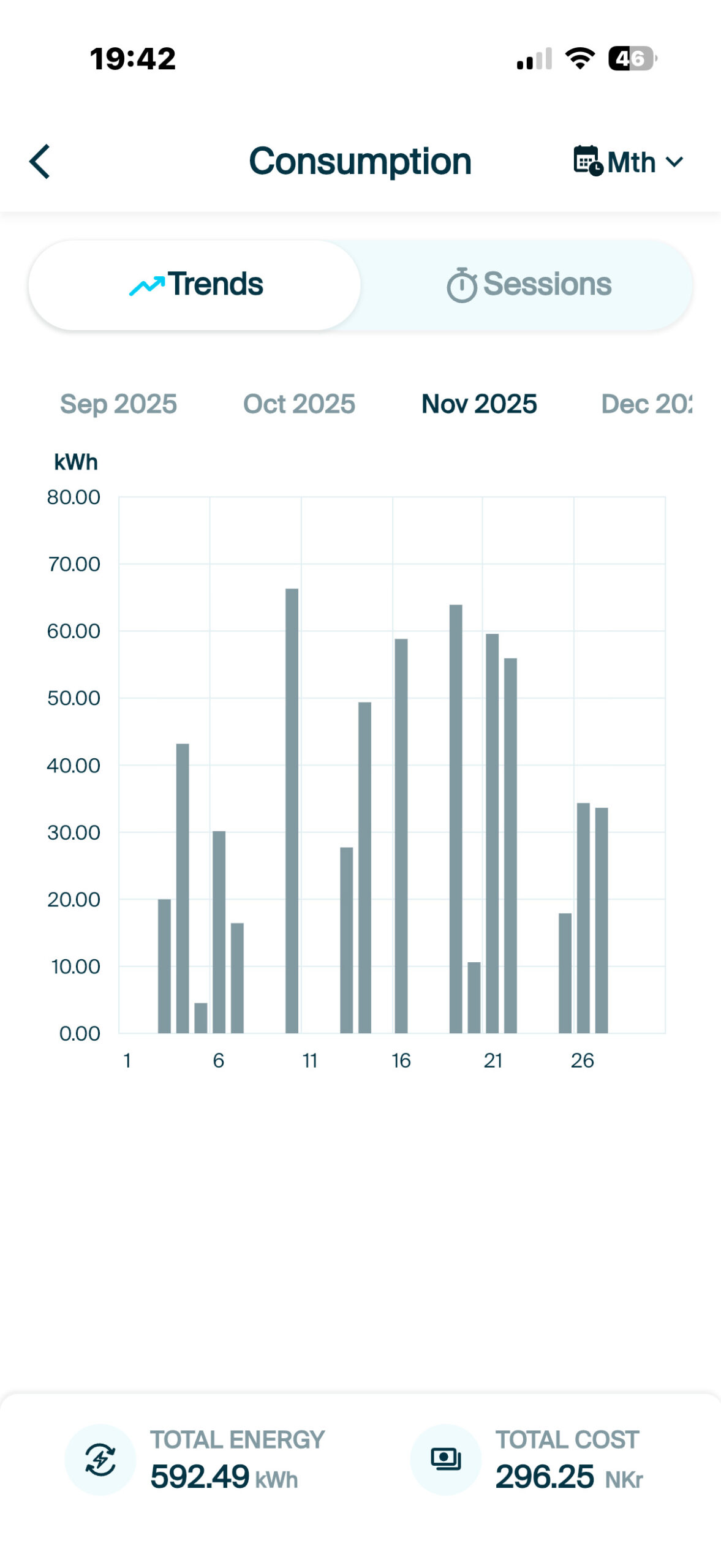
I’ve been testing the Edge 2 for several weeks and the charger has been stable without a single error message. The app is user-friendly, if not quite as polished as Zaptec’s, for example.
The installation went smoothly and the electrician was happy with the backplate solution. He estimated that it saved him at least ten minutes compared to other charging boxes.
Who is it for?
Edge 2 is for those who want a future-proof charging point with the latest smart features. If you like to be on the cutting edge of technology or are planning to go solar, this is a strong choice.
However, if you only need a simple charger that just needs to deliver power without frills, the Edge 2 may be overkill. A more basic charging box can be an equally good and cheaper choice.

Conclusion
The NexBlue Edge 2 is a well thought out EV charger that combines good build quality with future-proof technology. Its V2G support makes it ready for bi-directional power when cars and energy companies really open up, while features like EcoPilot and solar charging provide tangible value today. The separate backplate design simplifies installation and the built-in 4G connectivity provides extra peace of mind.
You need the Zen add-on module for full load balancing, but for those who want a charging station that will last for many years, Edge 2 is definitely worth a closer look.

We think
Future-proof with support for V2G (two-way power) so you're ready for the grid of the future. Quick installation for the electrician. Always online: Flexible connection via Wi-Fi, Ethernet or built-in 4G. Safe operation: Automatic load balancing with Zen ensures against overloading your main fuse. Requires the NexBlue Zen module to fully utilise load balancing. Without Zen, you won't have access to dynamic load management and solar optimisation.
600 €
Specifications
- Capacity: 22 kW (adjustable from 1.4 to 22 kW)
- Phases: 1- and 3-phase (automatic detection)
- Charging plug: Type 2 (IEC 62196-2)
- Power grid: TN, IT and TT (automatic detection)
- App control: myNexBlue app (available for Android and iOS)
- Built-in DC protection: Yes (RDC-DD 6 mA DC)
- Connectivity: Wi-Fi, Ethernet, 4G eSIM, Bluetooth
- Protocols: OCPP 1. 6-J and 2.0.1, ISO 15118
- Load balancing: Up to 5 devices per location
- Dimensions: 23 cm x 23.5 cm x 10.7 cm (W x H x D)
- Weight: 2.3 kg
- Warranty: 5 years
- Other: V2G-ready, Plug & Charge-ready, EcoPilot smart charging
- Web: nexblue.com